Distance runners know the value of consistency. The long run, the easier miles and the time set aside for recovery all have a place in the week. But what happens when warmth becomes part of that routine?
A study from New Zealand offered an intriguing answer. After three weeks of post-training sauna bathing, six competitive male distance runners recorded a 32% improvement in time to exhaustion compared with a training-only period. [1] It was a striking result, and one that helped put sauna on the endurance-training agenda.
Three weeks, six runners and a treadmill test
Researchers at the University of Otago compared two periods in the same runners: normal training and training followed by sauna. Each period lasted three weeks, separated by a three-week break. During the sauna phase, participants averaged about 13 visits, spending roughly 31 minutes in a sauna at around 90°C after exercise. [1]
The test asked how long they could keep running at their current best 5 km speed. The 32% gain measured extra time at that fixed pace. The researchers estimated an equivalent endurance time-trial benefit of around 1.9%; they did not measure a 32% faster race. [1]
For a runner, that makes the finding interesting in a precise way: a change in the ability to sustain a demanding effort, rather than a prediction of a particular finishing time.
The UK research that followed
Researchers at the University of Birmingham later explored post-exercise sauna in 20 trained middle-distance runners, including 13 women. Over three weeks, they compared normal training with training plus repeated sauna visits. [2]
The sauna group showed greater improvements in maximal aerobic capacity and running speed at a defined blood-lactate concentration. During a running test in the heat, they also showed lower peak body temperature and heart rate compared with the changes in the training-only group. [2]
Together, the studies offer an encouraging reason to investigate heat alongside endurance training. They also look at different outcomes: the New Zealand research examined time to exhaustion, while the Birmingham work explored physiological markers and heat tolerance.
Where infrared sauna fits into the conversation
Alongside this traditional-sauna endurance research, infrared sauna is being explored for post-exercise recovery. Research using infrared sauna after resistance exercise has reported encouraging results for soreness and perceived recovery. [3] That study involved basketball players, so it answers a different question from the distance-running research.
At SweatLounge, we keep those distinctions clear while making space for something runners often value: time to pause after the effort. Our muscle-recovery article brings together the infrared research and members’ experiences of making recovery part of their routine.
Make room for warmth in your running week
A good routine needs to work around the person doing the training. Keep food, fluids, sleep and easier days in the picture, and treat heat as an additional training load when planning your week. An endurance coach or sports clinician can help you decide whether a heat-acclimation programme suits your goals.
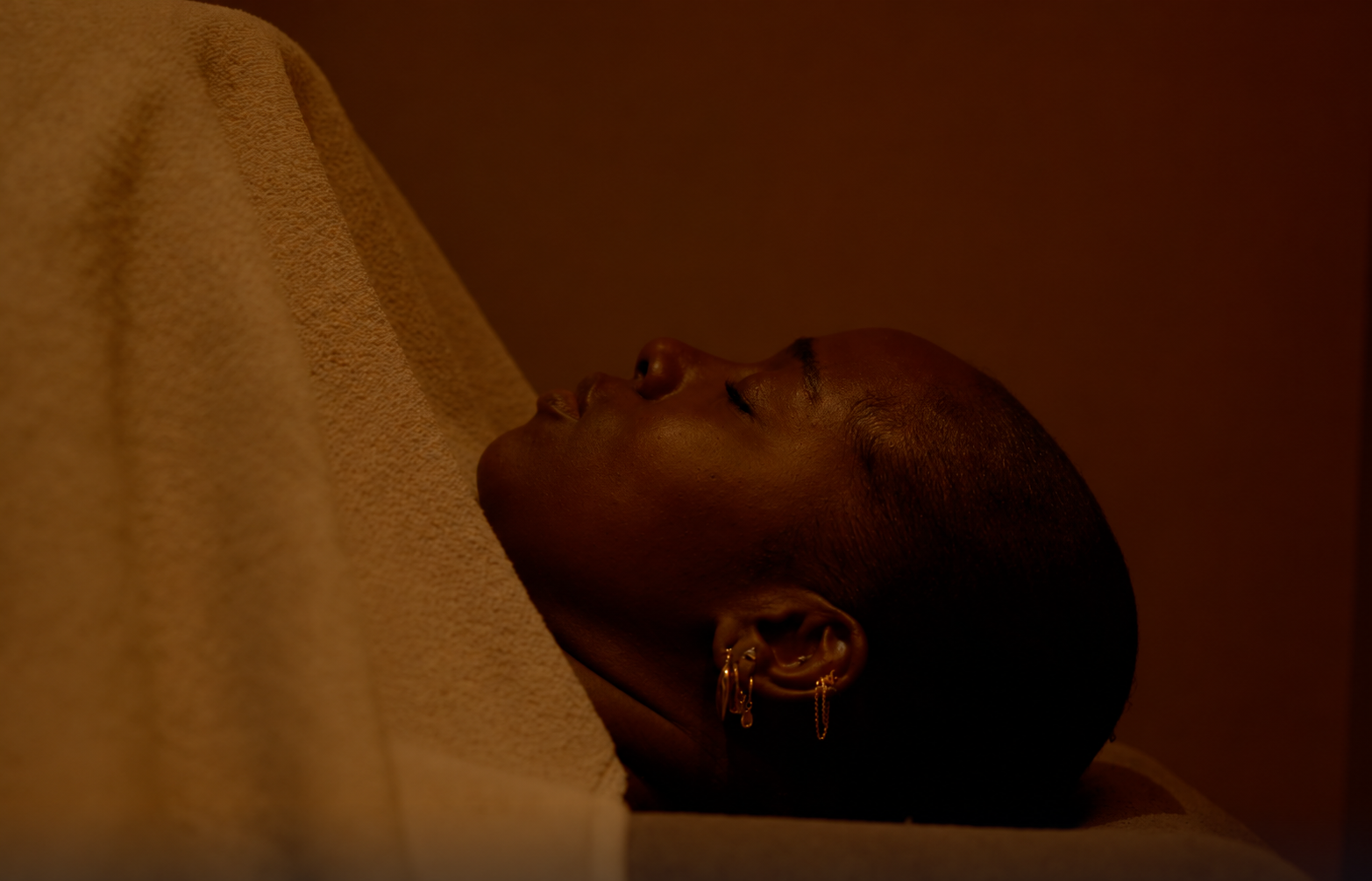
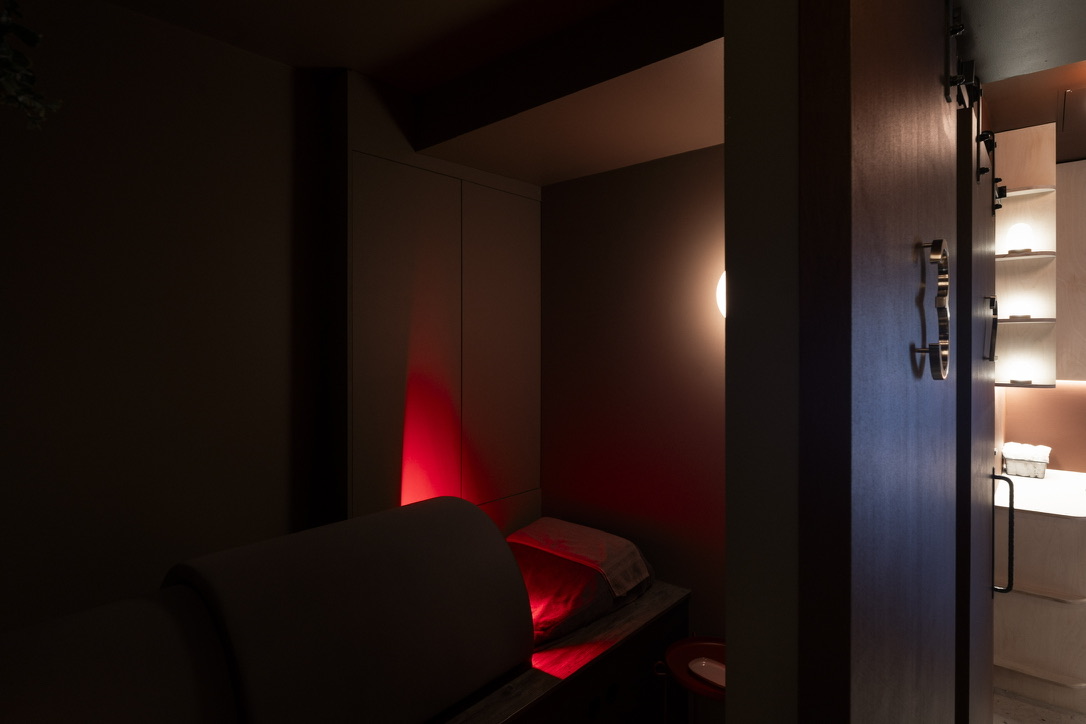
At our studio in Chiswick, London, choose a lie-down Solo Pod for one person or a Premier Cabin for one or two. We can customise the temperature to your preference, giving you comfortable warmth and time for yourself.
Whether you are building towards a longer distance or simply enjoying your weekly miles, recovery deserves a place in the diary too.
Explore our infrared sauna options or find a session that fits your running week.
References
[3] Ahokas et al. — infrared sauna after resistance exercise (2023).